

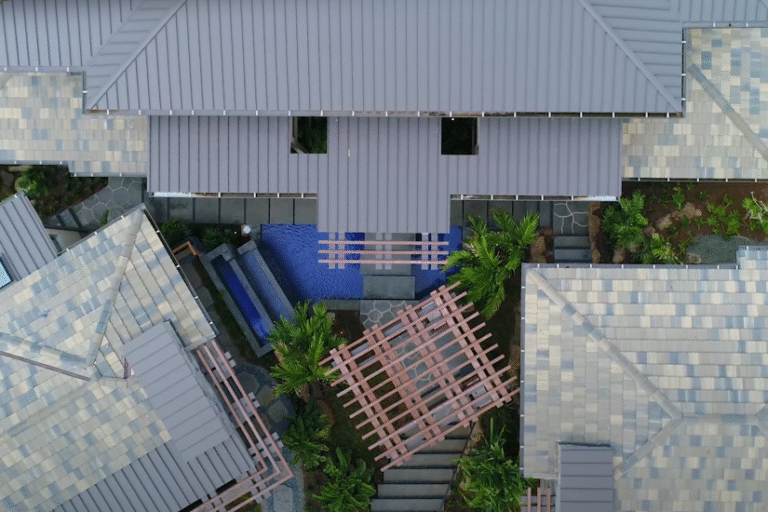
Hilo gets more rain than almost anywhere in the country, around 130 inches a year. That changes everything about how a roof gets built. We’re Lava Roofing, a licensed Roofing contractor (CT-39063) on the east side of the Big Island for over 25 years.
This page covers our hilo roofing services. Free written estimates. Call (808) 825-6463.
Hilo Roofing Services Built For Big Island Weather
Hilo doesn’t have one season. It has wet and wetter. We get over 280 rainy days a year, and the rain comes sideways during trade-wind events. It pools on every flat surface that doesn’t drain right and feeds the mold and mildew that grow on every roof we don’t catch in time.
Drainage is the top priority on a Hilo roof. The wrong fastener spec will leak inside two years.
The hilo roofing services that last are the ones built for constant water. We pick materials and flashing details that drain clean and resist mold.
Waterproofing Company Services
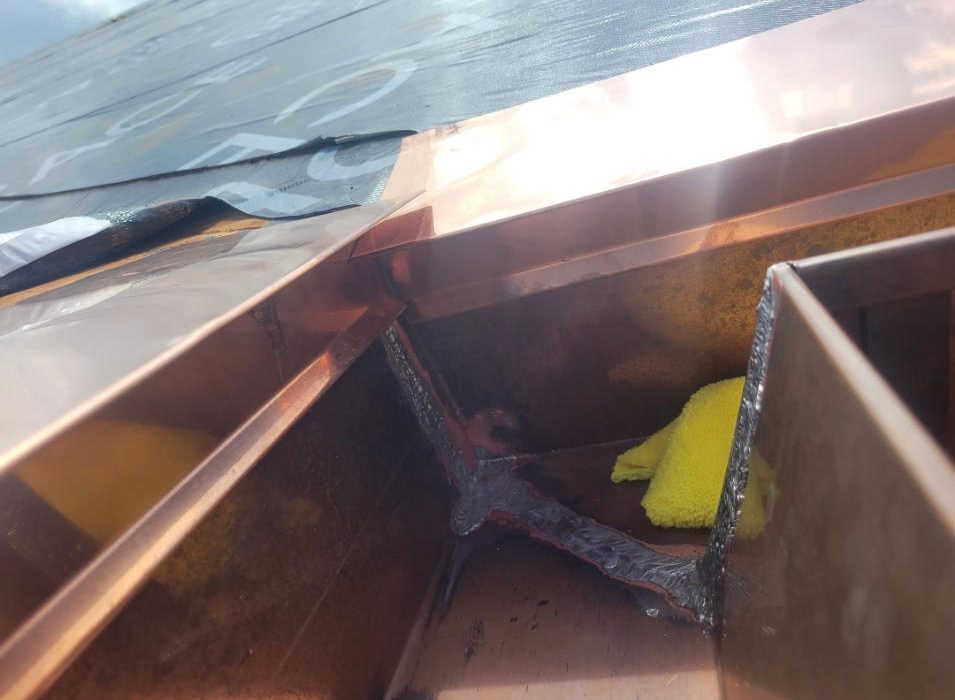
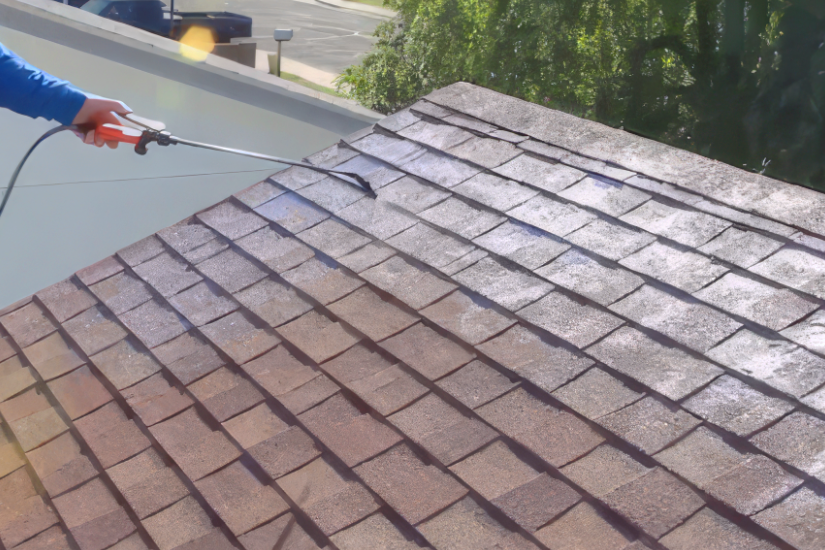
Flat roofs in Hilo take more abuse than anywhere else in Hawaii. Constant rain means standing water somewhere. Moss and algae grow fast on damp surfaces. Our hilo roofing services include the flat-roof systems built to handle this kind of punishment.
The systems we install on Hilo flat roofs:
- Roof coating. A liquid-applied layer that bonds to your existing flat roof and adds 10 to 15 years of service life. We use coatings rated for high-moisture environments.
- Roof waterproofing. Multi-layer membrane assemblies for buildings where a coating cant carry the load alone.
- Torch down roofing. Heat-applied modified bitumen for the most demanding flat-roof situations.
A church in Hilo had a flat roof leak every wet season. Three previous coatings had failed within 2 years each. We tore everything off, fixed the slope, and installed a torch-down system.
Roofing Repair Service On Hilo
Most Hilo roof repair calls are about water. Water came in and you found a stain, or moisture has been sitting long enough that mold or rot is growing.
The repairs we work on most often:
- Roof leak repair. We track leaks back to the entry point, which is rarely above the ceiling stain.
- Emergency roof repair. Storm damage means same-day or next-day tarping when crews are open.
- Mold and mildew remediation. Killing the growth, drying the structure, and stopping the moisture source.
- Rotted sheathing replacement. We cut out the bad section and put in new structural lumber.
- Flashing repair. Around chimneys, skylights, and vents.
- Gutter capacity upgrade. Many Hilo homes have gutters undersized for the rainfall.
A friend in Keaau ignored a small drip for a wet season. By the time we looked, mold was up the wall. The repair cost six times what a quick patch would have.
Solar Energy Contractor
Solar production on the Hilo side is lower than the dry side, but it still pencils out for most homes. Our hilo roofing services include solar panel installation Hilo projects. We’re a solar energy contractor and a Roofing contractor, so we coordinate the roof and the panels as one job.
Our process:
- Look at your roof first. Rotted sheathing or curling shingles mean reroof first, then solar.
- Model your real production based on tree canopy and orientation.
- Mount type matches your roof material. S-5 clamps for metal. Flashed standoff mounts for asphalt or composite.
- We handle HECO interconnection paperwork.
For Hilo homes with old shake or asphalt roofs, we usually recommend reroofing in metal first.
New Roof Installation Hilo
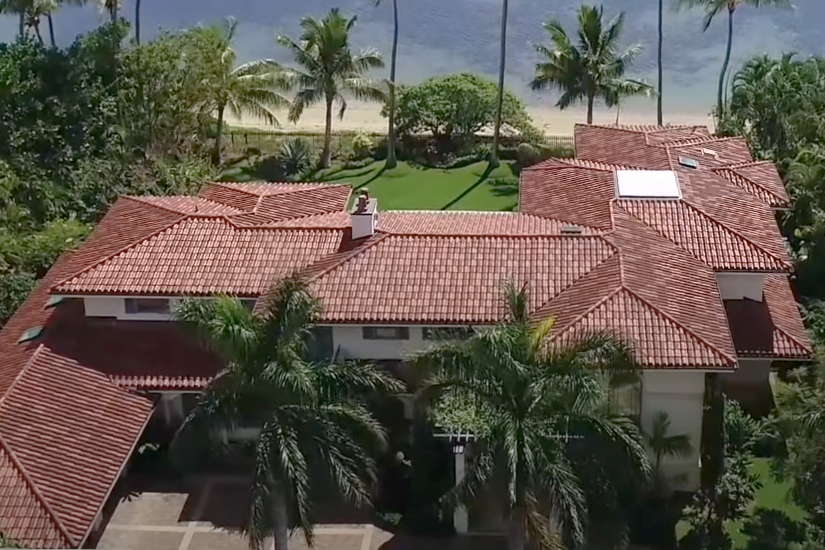
New roof installation in Hilo means starting fresh. We do new construction, additions, and full tear-offs when nothing on the existing roof is worth keeping. Hawaii County requires permits for most of these projects, and we pull them as part of the job.
Our process:
- Site visit to look at structure, slope, and how much rain the property takes.
- Pick the right material. Metal is our go-to for Hilo. Asphalt works inland from the coast.
- Tear off if needed, then replace any rotten sheathing.
- Synthetic underlayment rated for high-moisture climates.
- Primary roofing, every flashing detail, and proper drip edge so water doesn’t wick back under.
- Gutter sizing built for real Hilo rainfall.
- Final cleanup and the county sign-off.
Most single-family homes finish in 3 to 5 working days, weather permitting.
Reroofing Hilo
Reroofing replaces your roof system because the old one is done. In Hilo, “done” comes earlier than elsewhere. Constant rain shortens material lifespan. Asphalt that lasts 25 years on Maui might last 18 in Hilo. Wood shake that lasts 10 years dry-side rots out in 6 wet-side.
Common signs you need to reroof:
- Shingles curling, cracking, or missing granules in your gutters.
- Metal panels showing rust around fastener heads.
- Leaks in different spots each rainy season.
- Wood under the roof feels soft when walked on.
- Mold showing up on ceilings even after the leak is patched.
Our process: tear off the old, look at sheathing and rafters, replace any rot, install moisture-rated underlayment, install your new material to spec, and redo every flashing detail.
Metal Roofing Installation Hilo
Metal is the right roof for Hilo more often than not. It sheds water faster than any other material. It doesn’t grow moss. It doesn’t rot. It lasts 50 plus years in this climate when the alloy and install are right. We install more metal roofs in Hilo than any other type.
Profiles we install:
- Standing seam. Hidden fastener system, the cleanest look, and the best leak resistance for heavy rain.
- Bermuda style. Stepped horizontal panels that give a plantation-home feel.
- Corrugated. Lower cost option for outbuildings and budget homes.
For inland Hilo, 24-gauge coated steel handles the moisture and vog from Kilauea. For Hilo Bay homes near saltwater, we step up to aluminum or marine-grade alloys.
Asphalt Shingle Roofing Hilo
Asphalt shingle is a workable choice for inland Hilo, but it’s not our default for the Hilo side. The constant rain eats into asphalt faster than any other Hawaii location. Maximum realistic life is 18 to 22 years here, less if the property has heavy tree shade trapping moisture.
We use architectural-grade shingles rated for high wind and wet conditions. Three-tab shingles arent rated for our wind speeds and we don’t install them.
Where asphalt makes sense in Hilo: Mountain View, Kurtistown, and other inland properties. Budget projects where metal isnt feasible. Outbuildings.
Where we steer toward metal instead: Hilo Bay and shoreline homes where salt and constant moisture cut asphalt life roughly in half. Properties with heavy tree shade. Properties planning solar.
Composite Roofing Hilo
Composite roofing gives you the look of slate, wood shake, or premium tile without the rot problems those materials have in 130-inch rainfall. Real wood shake is a maintenance nightmare on a Hilo home. Slate cracks during east-side earthquakes. Tile splits when branches drop on it. Composite handles all of that.
What you get: 40 to 50 year warranties. Class 4 impact rating, the top rating, which can lower home insurance. Fire-resistant build. Zero rot.
We position composite as a premium hilo roofing services choice for homeowners who want a long-lasting roof with a heritage look. Best fit for Hilo’s older plantation-style homes where the original was wood shake but the climate killed it.
Thatched Roofing Hilo
Thatched roofing is a specialty service. Most Hilo contractors don’t do it. We’ve installed thatched roofs on resort property along the Hamakua Coast, on tiki bars at vacation rentals, and on bed and breakfast lanais.
Real thatched roofs need real know-how, especially in Hilo. Done right, the visible thatch sits over a fully waterproof membrane underlayment. The structure stays dry even when the thatch is soaked, which in Hilo is most of the time.
Our systems include traditional thatch over membrane, synthetic thatch alternatives that last 25 plus years, and re-thatching of structurally sound roofs.
Torch Down Roofing Hilo
Torch down is our go-to flat-roof system for serious Hilo applications. We torch-bond modified bitumen membranes layer-by-layer onto the substrate, fusing the seams so theres no path for water. In a climate with 280 plus rainy days, every seam is a future leak unless its fused.
When torch down is the right pick in Hilo:
- Commercial buildings around Hilo Bay where coatings keep failing.
- Older flat-roof homes where the original is past its life.
- Ag and storage buildings out toward Pahoa.
- Lanai roofs at bed and breakfasts.
A typical install runs 2 to 4 days, with service life of 15 to 20 years.
25+ years on the islands.
Licensed (CT-39063). Insured. Local crews. Free written estimates everywhere from Hilo Bay to the Hamakua Coast.
Frequently Asked Questions
Why does my Hilo roof keep growing mold or moss?
It’s the wet climate plus shade. Moss and mold need moisture and low light to thrive, and Hilo gives them both. The fix is a roof material that doesn’t hold moisture (metal sheds it fast), proper attic ventilation, and tree-trimming to let sunlight reach the roof.
How does my lava zone affect my Hilo home insurance and roofing?
Properties in Lava Zones 1 and 2 are difficult to insure and replacement-cost coverage is limited. We talk through your zone before recommending materials. A high-end composite roof in Zone 1 may not be the right financial choice if the insurance won’t cover replacement.
My gutters overflow in heavy Hilo rain. Can you help?
Yes. Most Hilo homes were built with mainland-spec gutter sizes that can’t handle 130 inches a year of rain. We upsize to 6-inch K-style or larger and add downspouts so the water actually leaves the property.
Do you handle the tsunami evacuation zone rules for shoreline Hilo work?
Yes. We work with Hilo Bay and Hamakua Coast properties in the inundation zones. Those rules affect framing, materials, and structure height. We pull the right permits and meet the spec.
My roof is being shaded out by tropical trees. What do I do?
Trim, then think about a metal roof. Heavy shade keeps a roof wet, and a wet roof grows moss and rots faster. Asphalt under heavy canopy can fail in 10 years instead of 20. Metal handles the shade-and-moisture combo much better.
Are you licensed, insured, and bonded?
Yes to all three. Hawaii contractors license CT-39063. General liability and workers comp insured. Bonded for projects that need it.
